Miami’s New Construction Market: Opportunities and Trends for 2026
Miami’s new construction market is one of the most dynamic segments of real estate in the United States. Whether you’re looking for a primary residence, a second home, or a wealth investment, understanding how this market works is the first step toward making informed decisions. In this guide, we cover it all: from what the pre-construction model is, to the most active areas, the risks to consider, and the outlook for 2026.
1. Why Does Miami Keep Attracting New Developments?
Over the past several years, Miami has established itself as one of the most dynamic and attractive real estate markets in the United States. What was once considered primarily a tourist destination has transformed into an international hub for business, investment, technology, and quality of life.
The city continues to welcome new residents from other parts of the United States, especially New York, California, and Illinois, as well as international buyers from Latin America, Europe, and Canada. Many of them are looking not just for a second home, but for a strategy to diversify their wealth within a stable economy with a strong currency.
One of Florida’s most appealing factors is the absence of a state income tax, an advantage that has driven the relocation of entrepreneurs, executives, and high-net-worth professionals. This is compounded by increasingly modern infrastructure, top-tier international connections, and a growing supply of luxury residential projects.
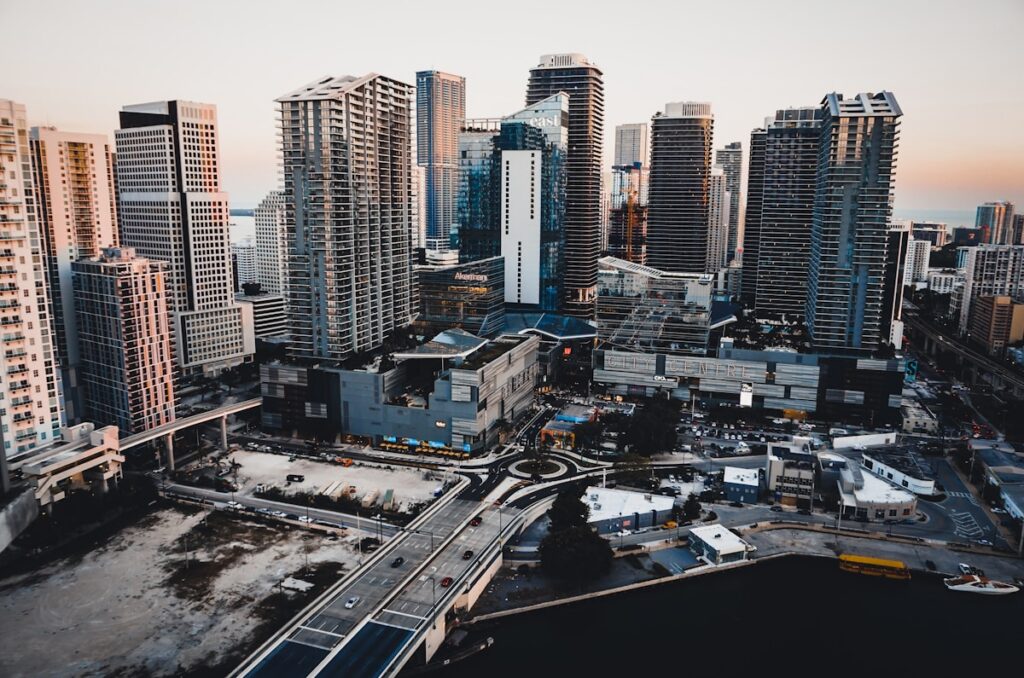
The result is sustained demand that continues to encourage the country’s leading developers to launch new projects in strategic areas such as Brickell, Downtown Miami, Edgewater, Miami Beach, and Coconut Grove.
Today, Miami competes not only with other U.S. cities but also with international investment destinations like Dubai, Madrid, Lisbon, and Panama City. This evolution has turned the new construction market into one of the most interesting segments for buyers and investors seeking long-term growth.
2. What Is a Pre-Construction Property?
When we talk about “Pre-Construction,” we mean properties that are marketed before construction is complete, and in many cases even before it has begun.
This model allows buyers to acquire a unit directly from the developer during the project’s earliest stages. In exchange for committing early, buyers typically gain access to more competitive initial pricing and a wider selection of units, floors, and layouts.
The buying process differs from that of a traditional resale property. Generally, the buyer signs a contract with the developer and makes staggered deposits throughout the construction period. Depending on the project, these deposits typically represent between 30% and 50% of the total purchase price, spread across several stages.
Once construction is complete and the building receives its certificate of occupancy, the buyer pays the remaining balance using their own funds or mortgage financing.
New construction properties are generally classified into three main categories:
- Pre-Construction: the project is in the launch or planning phase.
- Under Construction: construction has already begun and the building is being developed.
- New Construction Inventory: finished units ready for immediate delivery.
For many buyers and investors, the pre-construction model represents an attractive opportunity because it allows the investment to be spread out over several years, while potentially benefiting from the property’s appreciation during the construction period.
However, as with any real estate investment, it’s essential to carefully analyze the developer’s reputation, the project’s location, the contract terms, and market conditions before making a decision.
3. Advantages of Buying a Pre-Construction Property
The new construction segment has become one of the most attractive options for buyers and investors looking to take advantage of Miami’s continued real estate growth. While every project has its own characteristics, there are several advantages that explain why thousands of international buyers choose this type of investment every year.
Access to Initial Pricing
One of the main benefits is the ability to acquire a property during the early stages of marketing. Developers typically launch their projects with initial prices designed to generate demand and ensure a steady pace of sales.
As construction progresses and unit availability decreases, prices tend to rise progressively. For this reason, buyers who enter during the early stages frequently secure more favorable terms than those who buy as the project nears completion.
Payments Spread Out Over Time
Unlike a traditional purchase, which normally requires full payment at closing, pre-construction projects allow the investment to be spread out over several years.
Payments are made at different stages of development, providing greater financial flexibility and allowing the investment to be planned gradually. For many international buyers, this structure is especially attractive because it makes it easier to acquire high-value assets without immediately tying up the full amount of capital.
Modern, More Efficient Properties
New construction incorporates the latest trends in architecture, design, and technology. This includes contemporary finishes, smart home systems, greater energy efficiency, and amenities designed for today’s lifestyles.
In addition, since these are new properties, initial maintenance costs tend to be lower compared to older buildings that may require significant repairs or upgrades.
Appreciation Potential
Although past performance never guarantees future results, many buyers have historically experienced significant appreciation in their properties’ value during the construction period.
The combination of population growth, limited supply in certain areas, and steady international demand has contributed to numerous projects increasing in value from launch to final delivery.
Of course, appreciation potential depends on multiple factors, including location, project quality, economic conditions, and market timing.
4. Risks and Considerations Every Buyer Should Know
Despite the many advantages the new construction market offers, it’s important to understand that every real estate investment carries certain risks. The best-prepared buyers are those who weigh both the opportunities and the potential challenges before signing a contract.
Possible Construction Delays
Construction timelines can be affected by various factors, including weather conditions, material availability, permitting processes, or unforeseen economic circumstances.
For this reason, the estimated delivery date should be treated as a projection rather than an absolute guarantee. It’s common for some projects to experience adjustments to their timelines.
Changes to Design or Specifications
Developer contracts typically include clauses allowing for reasonable modifications during the construction process.
These modifications can affect materials, finishes, space layouts, or certain amenities. While changes are generally limited, it’s important for buyers to carefully review the contract documentation before committing.
Ownership Costs and Operating Expenses
Many buyers focus exclusively on the purchase price and overlook the associated long-term costs.
Factors such as association dues (HOA), property taxes, insurance, maintenance, and potential special assessments should all be part of any serious financial analysis.
A property can represent an excellent investment from an appreciation standpoint, but its operating expenses need to be considered from the outset.
Changes in Market Conditions
Pre-construction projects typically have delivery horizons of two, three, or even four years. During that period, interest rates, the economy, market demand, or financing conditions can all change.
For that reason, it’s advisable to adopt a medium- to long-term view, avoiding decisions based solely on expectations of quick profits.
The Importance of Choosing the Right Project
Not all new construction offers the same investment potential.
The developer’s reputation, the location, the quality of the design, projected demand, and the competitiveness of the product are fundamental factors in determining an investment’s success.
Working with professionals who have deep knowledge of the local market makes it possible to identify solid opportunities and avoid projects that could carry unnecessary risk.
5. The Most Active Areas for New Construction in Miami
One of the most important aspects when evaluating a real estate investment is location. In Miami, each neighborhood offers different characteristics, specific buyer profiles, and unique opportunities within the new construction market.
Brickell: Miami’s Financial Center
Brickell has established itself as South Florida’s most important financial district. With a combination of luxury residential towers, corporate offices, top-tier restaurants, and an intense urban lifestyle, it has become one of the city’s most in-demand locations.
New construction projects in Brickell tend to attract professionals, entrepreneurs, and buyers seeking either a primary residence or a property with strong long-term rental potential. In addition, the continued arrival of financial, tech, and investment firms keeps reinforcing residential demand in the area.
Downtown Miami: Transformation and Growth
Downtown Miami is undergoing an unprecedented transformation. The arrival of new residential developments, luxury hotels, cultural centers, and infrastructure projects has significantly boosted the area’s appeal.
Many of the city’s most innovative and ambitious developments are currently located in this area, especially those aimed at the luxury segment and so-called “branded residences.” For investors looking to participate in Miami’s future growth, Downtown remains one of the most closely watched markets.
Edgewater: Bay Views and Appreciation Potential
Located between Downtown and the Design District, Edgewater has become one of Miami’s most dynamic neighborhoods. Its main draw is its stunning views of Biscayne Bay, combined with a strategic location near the city’s major business, entertainment, and cultural centers.
The limited availability of waterfront land has led many developers to concentrate high-end projects here, generating strong interest from both end buyers and investors.
Miami Beach: Exclusivity and Limited Supply
Miami Beach remains one of the most recognized markets in the world. The scarcity of land available for new development means each project represents a relatively exclusive opportunity. This helps sustain strong demand and a premium position within the real estate market.
New construction in Miami Beach tends to attract high-net-worth buyers looking for a second home, a vacation property, or an investment in one of the most iconic locations in the United States.
Coconut Grove: Quality of Life and Steady Demand
Coconut Grove offers a completely different experience from the urban pace of Brickell or Downtown. With abundant green space, excellent schools, marinas, parks, and a sophisticated residential atmosphere, it has become one of the favorite areas for families and buyers who prioritize quality of life.
Limited new project availability combined with high demand has helped sustain solid appreciation of property values in the area in recent years.
6. The Rise of Branded Residences
One of the most significant phenomena in Miami’s real estate market over the past decade has been the growth of so-called “Branded Residences.”
This concept combines traditional residential development with internationally recognized brands from sectors such as hospitality, automotive, fashion, and luxury goods. The result is properties that offer a distinctive living experience, exclusive services, and strong global recognition.
Miami currently is home to some of the world’s most prominent branded residences, making it one of the leading markets for this trend.
Why Are They So Popular?
For many international buyers, a recognized brand brings trust, prestige, and an added perception of quality. Beyond brand reputation, these projects typically offer amenities and services that exceed traditional residential market standards, including:
- Concierge services.
- Wellness and spa programs.
- Fine dining restaurants.
- Hotel-style management.
- Personalized services for owners.
This combination has generated particularly strong demand among buyers from Latin America, Europe, and the Middle East.
An Increasingly Exclusive Market
In recent years, Miami has seen the arrival of projects associated with some of the world’s most prestigious brands, including luxury hotel developers, fashion houses, and high-end automakers.
In many cases, branded residences achieve higher price-per-square-foot values than comparable traditional projects, reflecting the value buyers place on exclusivity, service, and international recognition.
Are They a Good Investment?
As with any real estate investment, there’s no single answer. However, branded residences tend to benefit from several positive factors:
- Greater international visibility.
- Broader global demand.
- Premium positioning.
- Attractive resale potential.
- Differentiated services that increase perceived value.
For buyers looking to combine lifestyle, prestige, and wealth potential, this segment remains one of the most solid and attractive within Miami’s new construction market.
7. Who Is Buying in Miami Today?
Miami’s real estate market has evolved significantly over the past several years. Demand comes from an increasingly diverse mix of profiles who see Miami not just as an attractive destination, but as a strategic opportunity for investment and quality of life.
Families Looking to Relocate
One of the fastest-growing segments consists of families deciding to move their primary residence to Florida. Factors such as quality of life, climate, educational opportunities, legal security, and tax advantages continue to drive the arrival of new residents from both other parts of the United States and various parts of Latin America.
Entrepreneurs and International Professionals
Miami has become an important business center for financial, tech, logistics, and professional services companies. As a result, more and more entrepreneurs, executives, and independent professionals are choosing to establish a permanent or part-time presence in the city.
International Investors
Miami remains one of the favorite markets for foreign investors seeking to diversify their wealth outside their home countries. The stability of the U.S. legal system, the strength of the dollar, and the transparency of the real estate market make the city an attractive option for preserving capital long-term.
Second-Home Buyers
Another important group consists of people looking for a second home for vacation use or extended stays during certain times of the year. New construction offers an attractive combination of comfort, technology, and amenities that perfectly matches this type of buyer’s expectations.
An Increasingly Global Market
What distinguishes Miami’s real estate market is its truly international character. It’s common to find buyers from countries such as Mexico, Colombia, Argentina, Brazil, Chile, Venezuela, Spain, Canada, the United Kingdom, and various regions of Europe, the Middle East, and Asia.
This diversity helps sustain broad, resilient demand, even when some international markets go through less favorable economic cycles.
8. Financing for a New Construction Purchase
One of the most frequent questions among international buyers is whether it’s possible to obtain financing to purchase a property in Miami. The answer is yes. Multiple options currently exist for both U.S. and foreign buyers, although terms can vary depending on each financial situation.
Cash Purchases
Cash transactions continue to represent a significant share of new construction sales in Miami. Many international buyers prefer this route for its simplicity and speed, especially when using the property as a wealth-preservation or diversification tool.
Financing for Foreign Buyers
Various financial institutions offer programs specifically designed for non-resident buyers in the United States. Although requirements vary between lenders, factors generally considered include:
- Demonstrable income.
- Banking history.
- International financial documentation.
- Down payment percentage.
- The buyer’s net worth profile.
In many cases, foreign buyers can access financing that covers a significant portion of the property’s value.
When Should Financing Be Arranged?
In pre-construction purchases, financing isn’t finalized at the time of the initial contract signing. The mortgage loan is typically processed close to the unit’s delivery date, when the project is nearing completion.
Nevertheless, it’s advisable for buyers to consult with financial specialists early on to understand their financing capacity and avoid future surprises.
Financial Aspects That Should Be Evaluated
Before committing to any project, it’s important to analyze not only the purchase price but also the total cost of ownership. Elements to consider include:
- Association dues (HOA).
- Property taxes.
- Homeowner’s insurance.
- Closing costs.
- Maintenance reserves.
- Possible management or rental expenses.
The Importance of Professional Guidance
The process of buying a new construction property can involve legal, financial, and contractual aspects that differ significantly from a traditional real estate transaction. For this reason, working with specialized advisors, real estate agents experienced in new developments, and financial professionals familiar with international buyers can make a real difference throughout the process.
9. New Construction Market Outlook for 2026
After the extraordinary growth Miami has experienced in recent years, many buyers and investors are wondering how the market will evolve in 2026 and beyond.
A City That Keeps Growing
Miami maintains a privileged position as one of the top destinations for domestic and international migration within the United States. The steady arrival of new residents, companies, entrepreneurs, and investors continues to drive housing demand across different market segments.
The expansion of sectors like technology, finance, healthcare, logistics, and professional services further strengthens the region’s economic base.
Greater Selection for Buyers
Over the next few years, numerous projects currently under development will begin adding to available inventory. This will give buyers access to a wider range of locations, architectural styles, and price ranges, creating greater opportunities to compare options and negotiate favorable terms.
At the same time, developers will continue competing to attract buyers through incentives, flexible payment plans, and differentiated value propositions.
The Importance of Selection
While the overall outlook remains positive, it’s important to recognize that not every project will perform the same way. Location, development quality, product positioning, amenities offered, and future demand will be determining factors in each investment’s success.
A More Mature and Sustainable Market
Many analysts believe Miami’s real estate market is evolving toward a more mature stage. This means buying decisions are increasingly driven by solid economic fundamentals and less by short-term speculative behavior.
For buyers who take a wealth-focused, long-term view, this evolution can represent a particularly attractive opportunity.
10. Conclusion: Is Now the Right Time to Invest in New Construction in Miami?
New construction continues to offer some of the most compelling assets within Miami’s real estate market.
The context of population growth, international investment, urban development, and limited supply in strategic locations is creating favorable conditions for buyers and investors looking to protect and grow their wealth.
However, the success of an investment doesn’t depend on the market alone. It also depends on selecting the right project, understanding the risks, structuring financing correctly, and having professional guidance throughout the entire process.
What does exist is the opportunity to access up-to-date information and make decisions based on data, experience, and deep knowledge of the local market.
Interested in exploring the best new construction opportunities in Miami? Contact us and we’ll send you a personalized guide with the top projects based on your goals and budget.