
Investing in Miami: What Major Investors Ask Before Deciding
For years we have guided international investors from across Latin America in their search for real estate opportunities in the United States, and we’ve observed a pattern that repeats itself constantly: high-net-worth individuals rarely start the conversation by asking how much they can earn.
They ask how to protect their capital. How to diversify their wealth. How to reduce their exposure to a single country or a single economy.
And precisely for that reason, more and more investors are examining the opportunities Miami offers. Not because it’s a passing trend or because they saw an ad on social media, but because they see the U.S. market as a way to diversify part of their wealth within one of the largest and most liquid economies in the world.
Why Do So Many Latin American Investors Consider Investing in Miami?
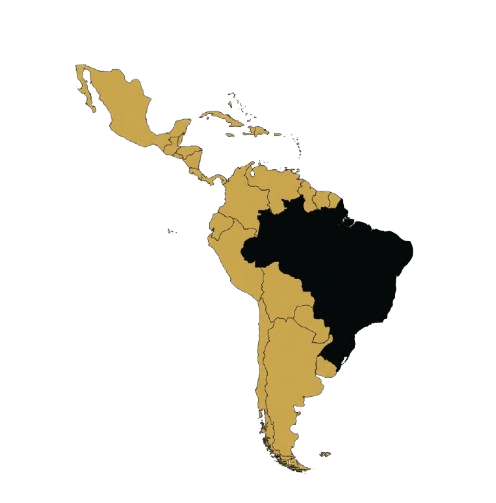
In recent years, numerous entrepreneurs and investors from Mexico, Colombia, Argentina, Chile, Peru, Ecuador, Panama, and other countries in the region have sought to expand their international exposure through real estate investments in the United States. Every situation is different, but certain motivations come up again and again.
International diversification
Concentrating all of one’s wealth in a single country can increase exposure to economic, regulatory, or currency risk. For this reason, many investors decide to incorporate international assets into their wealth strategy.
Dollar-denominated assets
For those living in economies with more volatile currencies, investing in assets tied to the U.S. dollar is a way to diversify their currency exposure.
An established real estate market
Miami remains one of the most internationally recognized real estate markets. Its diversified economy, population growth, tourism, business development, and strong ties to Latin America lead many investors to include it among their investment options.
The First Question Should Never Be How Much Can I Earn
One of the most common mistakes when evaluating a real estate investment is focusing solely on projected returns. The most experienced investors usually start with other variables. They ask themselves:
- What are the risks of this investment?
- How does it protect my wealth?
- How liquid is this asset?
- What is the quality of the location?
- Is there sustainable demand?
- What is the long-term appreciation potential?
- What would happen if the market changes?
Returns matter, but they’re normally the result of having made good decisions, not the starting point.
Protecting Wealth Before Seeking Higher Returns
Investing in Miami doesn’t simply mean buying a property. It means analyzing an asset within a much broader wealth strategy. International investors typically evaluate factors such as:
- Market stability
- Asset quality
- Location
- Appreciation potential
- Income generation
- Ease of management
- Risk level
- Investment horizon
Each of these factors influences the quality of an investment decision far more than a simple promise of high returns.
Evaluating a specific investment? At LATA Miami we analyze the risk and return potential of any property you’re considering, for free and with no obligation.
Some of the Best Opportunities Never Reach the Open Market
There’s a perception that every available property is listed on the major real estate portals. The reality is often different.
Part of the market, especially in certain investment segments, is negotiated privately. These opportunities, known as off-market, can include multifamily buildings, commercial spaces, hotels, development land, or high-value properties that are never publicly advertised.
This doesn’t mean they’re always better. It simply means many owners prefer to keep the sale process discreet and limited to previously qualified buyers. For that reason, having a solid network of local contacts can significantly expand access to opportunities that aren’t available to the general public.
Before Investing in the U.S., It’s Worth Analyzing Much More Than the Price
Buying a property is relatively simple. Buying the right asset requires much deeper analysis.
Before investing in Miami real estate, it’s advisable to study factors such as:
- The investor’s wealth goals
- The investment horizon
- The income-generation strategy
- The location
- Market demand
- Asset quality
- The legal situation
- Operating costs
- The applicable tax structure
- The future exit strategy
Every investment should respond to a clearly defined strategy. There’s no perfect property for every investor: there’s the right property for a specific goal.
Investing in Miami as a Foreigner
One of the most frequent questions is whether a foreigner can buy property in the United States. The answer, generally speaking, is yes. You don’t need to be a U.S. citizen or permanent resident to acquire real estate in Florida.
However, the purchase structure, tax considerations, available financing, and wealth planning can vary depending on your country of residence and individual circumstances. For that reason, it’s advisable to get professional guidance before making any decision.
An Investment Begins Long Before Signing a Contract
The best decisions usually don’t start with an offer. They start with a conversation.
Understanding the investor’s goals, wealth horizon, risk tolerance, and growth strategy makes it possible to identify opportunities far better aligned with their real needs. Investing in Miami shouldn’t consist of simply buying a property: it should be part of an international strategy for protecting, diversifying, and growing wealth.
If you’re considering real estate investment opportunities in Miami or want to diversify part of your wealth in the U.S. market, at LATA Miami we support international investors throughout the entire process: from strategic analysis and identifying opportunities — including off-market properties when available — to negotiation and closing.
An initial conversation can be the first step toward building a solid investment strategy, aligned with your goals and a long-term vision.
The content of this article is for informational and educational purposes only. It does not constitute legal, tax, financial, or investment advice. Tax laws, real estate regulations, and applicable rules are subject to change and may vary based on each individual’s situation. Before making any purchase or investment decision, consult with qualified professionals.
Related guide: For the complete process for Latin American buyers — including how to buy with no U.S. visa or residency — see How to Buy Property in Miami as a Foreigner (2026 Guide).